I don’t generally let this stuff get to me too much, or even try to talk about it, but today I felt weak and got angry.
____________________________________________
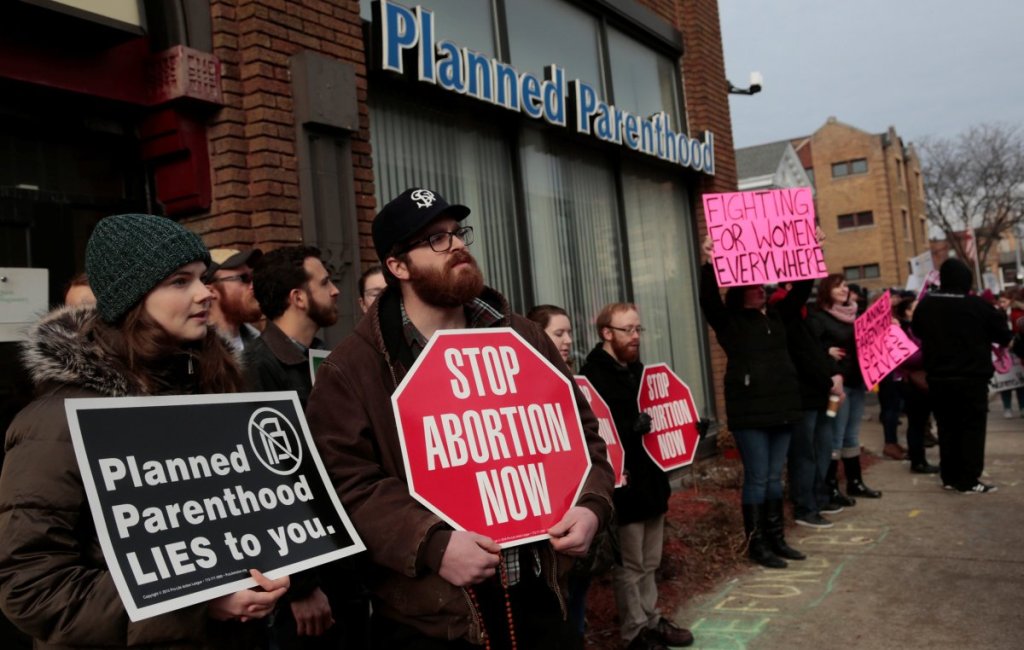
I drove past the Planned Parenthood building, parking lot engulfed in Pro-Lifers, ready to pounce on anyone brave enough to enter. And it made me angry. It is so easy to take your stand and feel empowered by yelling at and berating women who are already feeling bad about themselves. But I wish you did a little more research and thinking before you do your yelling.
“If you don’t want a child then use a condom”? Tell that to the ones who used condoms and they failed.
Tell that to the young university student who got raped and received no help because people said, “she was asking for it”, “she shouldn’t have dressed like that”, “we can’t take away the future success of our star football players.” Does your pro-life organization fund the post trauma therapy for that rape victim? Or make up for the loss of education she will face because she is pregnant? Or make up for the lack of child support she will need without the child’s father?
“If you don’t want a child then just put it up for adoption”? Does your pro-life organization fund adoptee trauma therapy, which good, bad, or indifferent, is inevitable and 100% guranteed to happen? Does your pro-life organization fund the funeral costs that the 1 in 4 adoptee’s parents will be faced with when their adopted child commits suicide? Do you even care that that is in exact opposition to the argument of pro-life?
Does your pro-life organization pay for the added therapy this woman will need when she comes face-to-face with your mob yelling at her that she is a horrible person and that she needs to let the baby live, the one thing that is a glaring reminder of the horrible thing that happened to her? Are you going to help these women in the future to ensure that their babies are healthy and well provided for, because you didn’t seem to think that a woman who knows she can’t provide for a child is capable of making the best choice?
And don’t think I don’t understand the cost. My birth father wanted me aborted, and my mother chose not to. She had me, but was unable to provide for me, and put me up for adoption. And now she is happily married and I have a half brother, and none of her family even know I exist. And while I know that I am lucky to have lived and have a loving family, it does not negate the fact that I have a lot of adoption trauma that has effected me and my relationships for the greater part of my life.
I don’t necessarily think abortion is always right, but I whole heartedly believe that a woman should have the right to choose. You don’t know her. You don’t know her story or her life. You don’t know where she comes from. You don’t even know her name. Who are you to think you have the right to tell her what to do.
I have always been passionate about the idea of working with convicts. I have wanted to be someone who could give them a voice and prove their humanity beyond their life-long label. It is so easy to see the snapshot of a person’s situation and act as though you know it all. It is so easy to see someone thru the lens of their label. I bear the label “Asian” a fact for which I am generally very proud of. But that label has also brought me a lot of negativity. The time someone yelled at me and referring to me as “China”. My name is not China and I am not Chinese. And, according to commercial dna tests, I have no Chinese blood in me.
Someone can bear the label “sex offender” but people don’t want to know the story. What about the two teenagers who believe themselves in love and have sex. If the girl is just underage and the boy is just over age, that boy could be deemed a sex offender if someone reported him. And he will have that label for the rest of his life, despite the fact that he and the girl go on to get married and have children. People don’t care about that story.
It is easy to see someone who is homeless and turn their nose up. Demand that someone do something, and yet not doing anything themselves. It is easier to just sneer and ask why they aren’t just TRYING. Without considering the mentally ill individual who can’t get their meds and thus can’t stabilize enough to maintain a job. How about fighting for more mental health funding. They don’t consider the huge percentage of veterans who make up the homeless population because they might be too damaged to make it all the way thru the process to get their benefits. We see them begging on the corner and we drive right by. Thank you for your service. Nor do people consider the fact that a lot of veterans feel more comfortable outside in that environment. It feels safer than a home and a bed. They are looked down on despite the fact that that is a life they chose. People don’t consider the young homeless female. They don’t think about how she may have run away from an abusive home, but has no resources outside of the home. Nor do they consider that she is then at a high likelihood of becoming further victimized. They are all just homeless individuals with no story or sympathy, and all the world knows is that they don’t want to see them. “Not in my backyard.”
And, as Angela Davis said in her book, Are Prisons Obsolete? prisons have become a dumping zone where individuals who society doesn’t want to acknowledge are put.
My point is, this book spoke to me on astounding levels. It touched my heart. It inspired me. It stoked my fire to keep moving in the direction I am going. Because I want to enter that windowless black hole where people are seen simply as “bad”, and I want to show that they have lives, circumstances, problems, and voices.
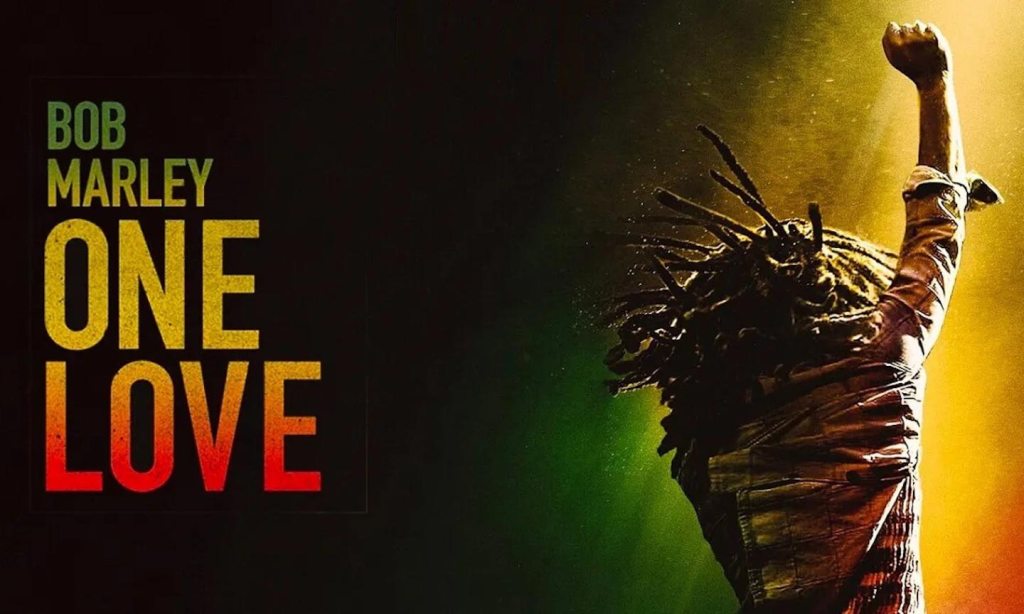
Humble beginnings can shape powerful voices. There is this scene in the film One Night in Miami where these 4 black Americans discuss their fight against the standards of white America. This discussion is all speculation but it is resounding. At one point Malcolm X calls out Sam Cooke for catering to white taste. That Sam Cooke had the attention of the nation and thus had the power to use his talent to make a change. Cooke admits to extreme jealousy over Bob Dylan’s Blowin’ in the Wind. How could a white man write such a powerful song about the African American struggle? After that Sam Cooke came out with what might be one of the most powerful Black rights songs ever, A Change is Gonna Come. This film, Bob Marley One Love, shows a man who has such a firey passion that can only be expressed through music. It might possibly be excessive amounts of weed smoked, but Bob Marley and the Wailers were so authentically themselves. Unapologetically. There is a scene in their early life in which they come to a recording studio with a very white appealing song. The manager was less than impressed and as he is walking out they quickly switch to a more rasta song. It touches. Marley wanted only one thing, for Peace. For people to stop fighting and to come together. His music never wavered from that. And as his fame grew and audiences adored his music, while they may not have truly understood the message of his music, the music still resounds. It resounds because it is so deeply true to him that one can’t listen to it without feeling it in their soul. And perhaps as he did his tour people responded so strongly because you can’t feel conflict in your heart while listening to a Marley song. You can’t feel hate while listening to One Love.
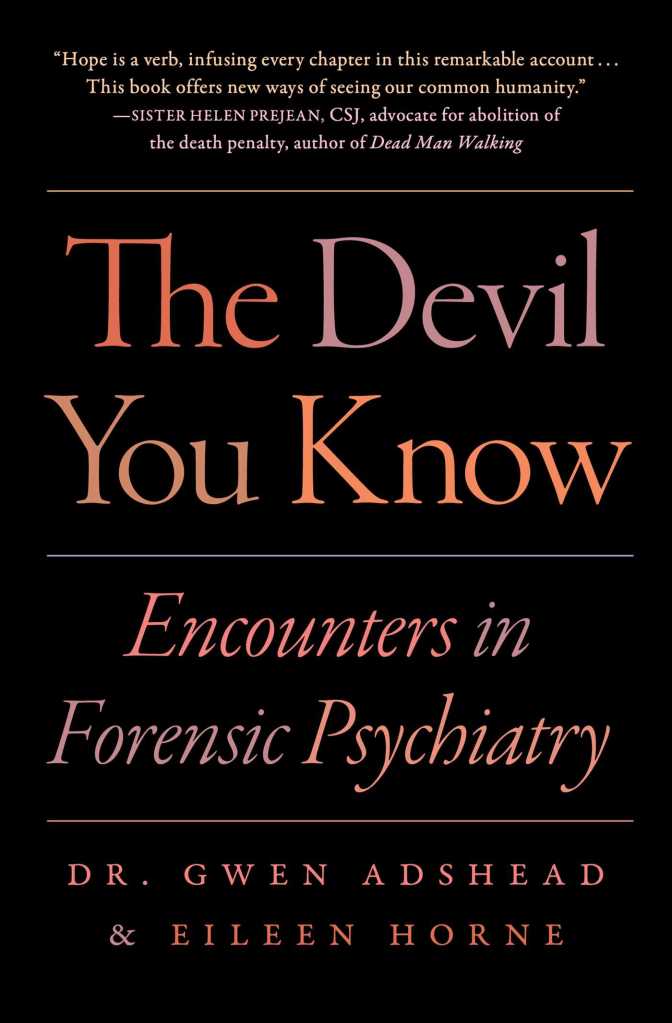
The idea of going into a prison and working has never worried me. I am in the middle of reading The Devil You Know by Dr. Gwen Adshead, an English psychologist. She goes into prisons and does therapy with convicts. The idea is that everybody has a story and that every story deserves to be heard. Maybe this series isn’t quite the same thing. Young Jimmy Keene, a star footballer, is arrested and rather than the sentence of five years with parole after four he is expecting, he is charged with more and sentenced to 10 years without parole. He is eventually approached by the FBI and propositioned to enter a maximum security prison and coerce a confession from a suspected serial killer. The reward for taking the job, his freedom and a clean record. After his father, portrayed by Ray Liotta, has a major stroke, Jimmy realizes his father wont be around for 10 more years. He accepts the deal and is transfered to the maximum security prison where Larry Hall is being held. The series bounces back and forth between the time of the killings and the time in prison, following police detective Brian Miller, portrayed by Greg Kinnear, as he tries to find proof that Larry killed some 21+ young girls. While the prison atmosphere is gritty with corrupt guards and clear gang alliances, the focus remains primarily on the relationship that builds between lonely Larry and charming Jimmy. It becomes clear that there is mental instability in Larry, who convinces himself that the murders are all just dreams he is having. He begins to trust Jimmy amd eventually opens up more and more to him. As the date for his appeal approaches for which it is certain that Larry will be released it becomes imperative that Jimmy get the confession from him. The series is based on a true story.
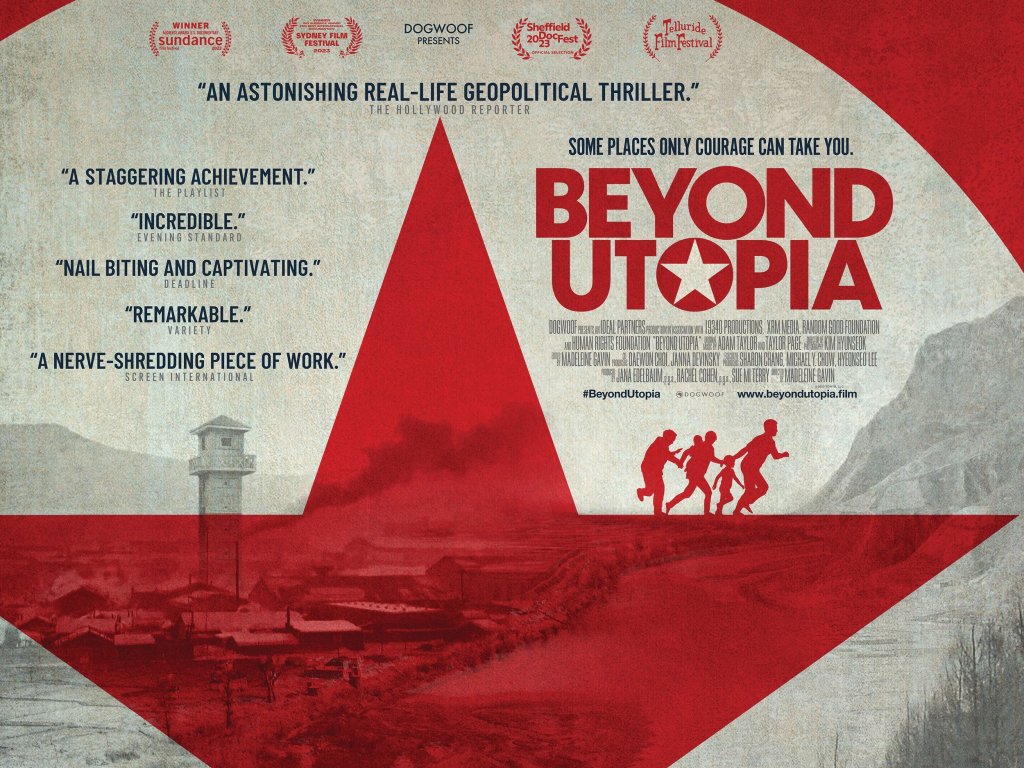
It is easy to wake up in the morning, brush your teeth, get ready for work… and think your life sucks. It is easy to understand the concept of death, and yet there are people who can’t understand the concept of freedom. I remember when I saw a video of defected North Koreans eating meat for the first time. They were not children. They were adults. We watch our 100+ channels and listen to our choice of radio station and can’t even comprehend a life of 1 tv station, and 1 radio station, the is constantly spouting propoganda and anti-American scentiment. At one point, when asking a child how she felt once she had crossed the river away from North Korea, she cried and said she didn’t feel safe. When you live in a country that will put your entire family on a watch list for the disobedience of one member, how do you ever feel safe? In an interview, one successful defector talked about remembering how after school the children all went into performance training. Not in some gymnasium with fat mats, but outside, on the hard cement, in the blasting heat, and the freezing cold. And you realize, while watching all the mass performances during grand sporting events and oohing and aahing over the synchrosy and beauty, that one misstep could mean extreme punishment. No food for your family, or even beatings. This film was completely hand-camera style. It was uncomfortable. And I am not going to pretend that I didn’t cry. It is a world that seems almost science fiction, and yet, the most heartbreaking part is… it isn’t.
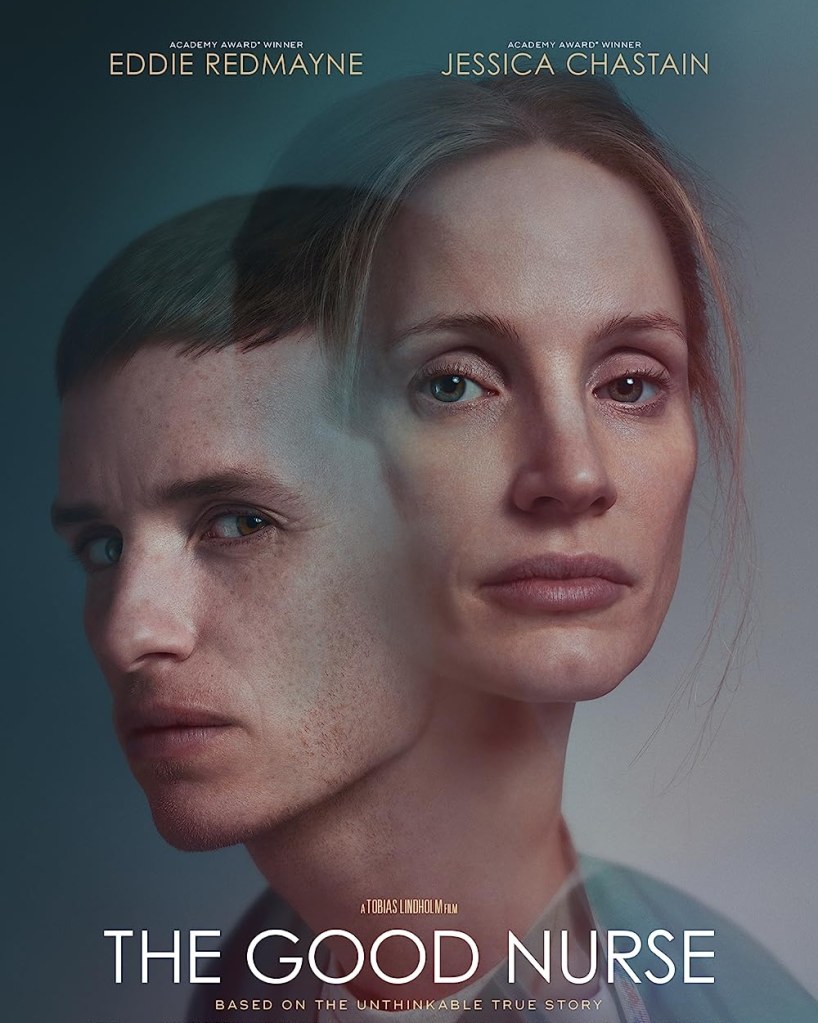
It only got subpar ratings, but it needs to be given credit for the exceptional acting. So maybe it isn’t a film involving loud bangs and blood and guts. In fact, for a hospital drama, there is no blood, or guts. But there is a gratuitous amount of death. These are the ones who confuse me. These types of serial killers. Medical professionals. Often, grossly labeled Angels of Death. Motivation still opposes the purpose of the profession. To heal. I am not fully familiar with medical serial killers. This was my first deep dive. After watching a documentary episode on Charles Cullen a nurse who had worked at numerous different hispitals. He injected insulin and digoxin into IV bags. Not while they were hooked up to patients. Before they had even left the med room. Indescriminant and complete random chance as to who was given one of the contaminated IV bags. Where is the motive? Where is the twisted, carnal satisfaction typical serial killers need? What was even the point? He had no point. He had no motive. It was simply that no one stopped him.
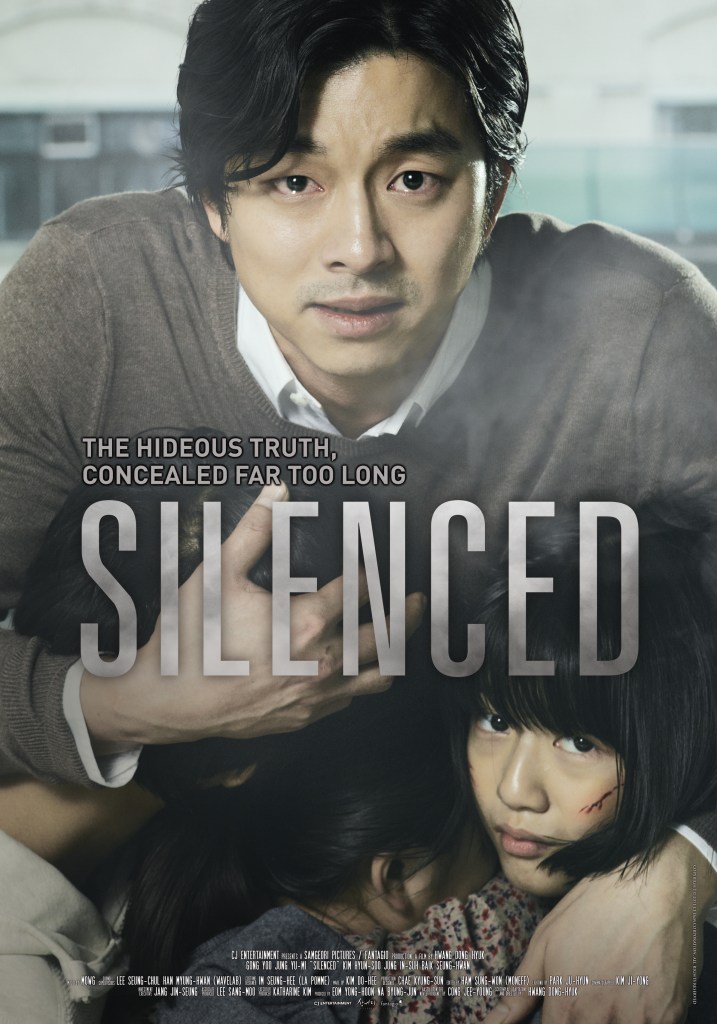
I wanted to have something to say. I NEEDED to have something to say. But my heart can’t find the words. How ironic, when talking about a movie about people needing to speak up…
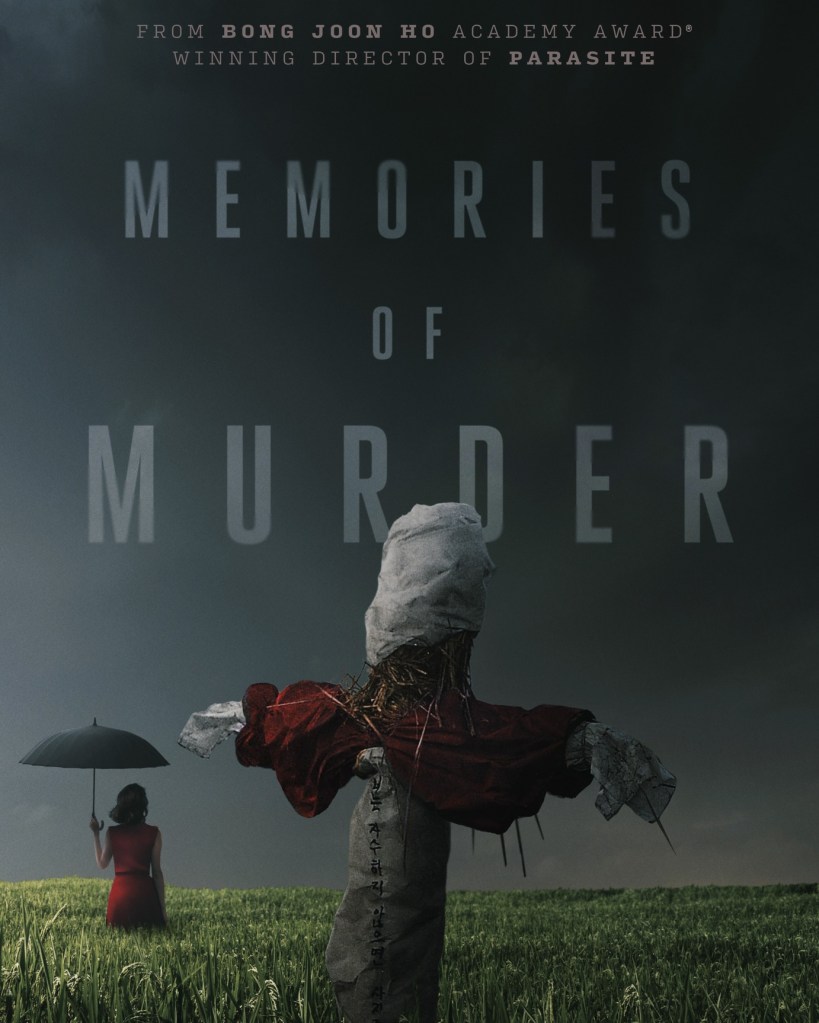
Based on a play this film depicts two detectives hunting down a serial killer in Hwaseong, Korea in the 80s. Directed by Bong Joon-Ho, director of films like The Host, Snowpiercer, and award winning Parasite. Also starring Song Kang-Ho, who has worked in a number of Bong’s films, as well as many other amazing films. In the farmland of Hwaseong women are turning up raped and murdered. The real killer, Lee Chun-Jae killed 15 women and was reported to have over 45 victims over the span of nearly a decade. This film isn’t gritty in the way special effects and edgy music can bring. Rather, it is slow burn. In the 80s when resources for detective work was limited and children ran wild through crime scenes, the hope of catching the killer seems almost hopeless. But there is an energy amd atmosphere about the film that keeps you there with the detectives. You see them working tirelessly, at one point one of them getting IV fluids courtesy of his wife. And you see the toll it begins to take on their sanity as well as their moral compass. Bong Joon-Ho won an Oscar for best director for good reason. He is a master at his craft. This isn’t going to be a Dahmer type serial killer movie. It is more of a ride with the detectives who are trying to catch the killer.





















 Ma Vie en Rose